

Rubbish removal Roehampton Alton Estate guide
Posted on 13/08/2026
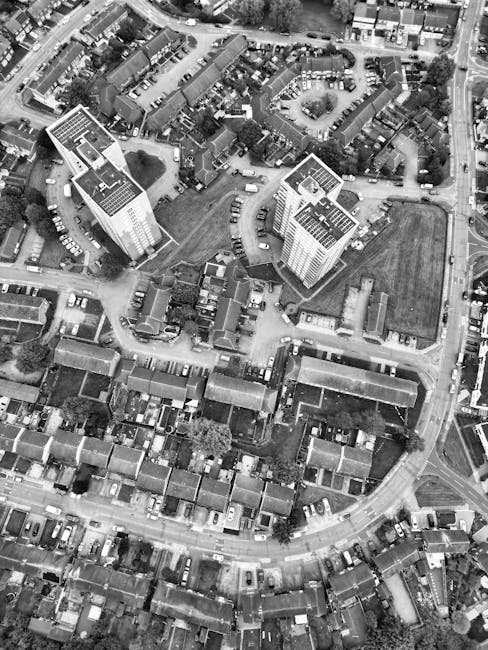
If you live on or around the Alton Estate, rubbish removal can feel oddly straightforward one day and surprisingly awkward the next. A broken wardrobe won't fit in the lift. A small kitchen rip-out turns into three black bags, a sink, a few splintered boards, and then the nagging question: where does it all go? This Rubbish removal Roehampton Alton Estate guide is here to make that process calmer, clearer, and much more manageable.
Whether you're clearing a flat, dealing with bulky furniture, tidying a garden, or shifting renovation waste, the right approach saves time, avoids mess in shared spaces, and reduces the chance of a costly mistake. It also helps if you're working to a deadline, like a move-out, tenancy handover, or a weekend you'd really prefer not to spend dragging old stuff downstairs. Truth be told, most people don't need more waste jargon. They need a practical plan. Let's do that.
Why Rubbish removal Roehampton Alton Estate guide Matters
The Alton Estate has its own rhythm. You've got flats, maisonettes, shared entrances, lifts, stairwells, parking pinch points, and the occasional neighbour trying to get past just as you've wedged a mattress in the hallway. That's exactly why rubbish removal here is not just about "getting rid of stuff". It's about doing it safely, discreetly, and without causing avoidable disruption.
In a busy residential setting, rubbish can quickly become a practical problem. Bags left in communal areas are unsightly. Bulky items left too long can block access. Builders' debris, broken furniture, and mixed waste can also create a safety issue for families, older residents, and anyone using mobility aids. No one wants a corridor turning into a temporary skip. Not exactly ideal.
There's also the time factor. In Roehampton, people often juggle commuting, family life, studies, tenants, or property projects. A local clearance approach means the work can be planned around real life, not the other way around. If you want a broader picture of the area, what locals say about living in Roehampton offers useful context about everyday routines and neighbourhood life.
And if your rubbish removal is tied to a bigger move, renovation, or sale, it helps to think a step ahead. A clutter-free flat is easier to photograph, easier to clean, and usually easier to manage mentally too. That last part gets underestimated.
How Rubbish removal Roehampton Alton Estate guide Works
At its simplest, rubbish removal on the Alton Estate usually follows a familiar pattern: identify what needs clearing, separate what can stay from what can go, arrange collection, and make sure the waste is handled responsibly. But the details matter, especially in apartment blocks where access and timing can change everything.
Most collections begin with a quick assessment. That might be a rough visual estimate, photos sent in advance, or a short call describing the load. From there, the provider can judge the size of the job, the number of people needed, and whether any items require extra handling. For example, a single sofa is one thing. A full flat clearance with loft access, wardrobe disassembly, and mixed household waste is another beast entirely.
Many people are surprised by how much can be removed in one visit when it's organised well. A good clearance team will look at access first: stairs, lifts, narrow landings, parking, and where the vehicle can stop without causing problems. On the Alton Estate, that practical planning can make the difference between a smooth job and a frustrating one.
If you want to understand the wider service landscape, the services overview is a sensible place to see how rubbish removal usually sits alongside clearance and disposal options.
One thing to keep in mind: "rubbish removal" is a broad term. It might include general household junk, furniture disposal, garden waste, renovation debris, loft contents, or office items. The correct method depends on what you've got, not just how much of it there is.
Key Benefits and Practical Advantages
Good rubbish removal is not glamorous, but it is deeply satisfying. You notice the difference the second the clutter is gone. The hallway feels wider. The room smells fresher. You can actually see the floor again. Small thing? Maybe. But it changes how the whole place feels.
- Faster clearance: A coordinated collection saves hours, sometimes days, of carrying items to ground level or waiting for council arrangements.
- Less physical strain: Heavy furniture, awkward bags, and broken items are harder to move than they look. Back injuries are not worth it.
- Better communal relations: Clear timing and tidy removal reduce friction with neighbours and building management.
- Cleaner handovers: Useful for landlords, tenants, sellers, and anyone preparing a property for viewings or repairs.
- More responsible disposal: A reputable provider will separate recyclable material where possible and handle waste appropriately.
There's another advantage people forget: mental clarity. Sorting a flat on the Alton Estate can feel surprisingly emotional, especially if you're dealing with inherited items, years of stored bits, or a long-overdue declutter. Once the bulky stuff is out, decision-making gets easier. You stop negotiating with every old chair like it has a future.
If you're clearing after a sale or before photos go live, these tips for selling property in Roehampton pair well with a tidy-up plan. A presentable property tends to feel more convincing, even before a viewer says a word.
Who This Is For and When It Makes Sense
This kind of local rubbish removal makes sense for a wide range of people, not just those with a mountain of junk. In fact, a lot of jobs are modest in size but awkward in shape. A bed frame. A fridge. A few bags from a loft. A pile of old office chairs. Nothing huge on paper, yet annoying to move through a block.
It's especially useful for:
- Tenants moving out and needing a clean, empty handover
- Landlords preparing a flat between lets
- Homeowners decluttering before renovation or sale
- Families clearing inherited items from storage spaces
- Residents dealing with bulky furniture or appliance disposal
- People clearing gardens, balconies, sheds, or communal storage areas
- Small businesses or home offices removing surplus desks, paperwork, and equipment
It also makes sense when you have limited access. On estates like Alton, not every item is easy to carry or leave outside. A professional collection can be the practical middle ground between doing everything yourself and overthinking the job for another week. We've all done that. "I'll deal with it Saturday" has a way of becoming next month.
If your project involves more than general household rubbish, a dedicated house clearance in Roehampton may be a better fit, especially for full-room or whole-property jobs.
Step-by-Step Guidance
Here's a simple way to approach rubbish removal on the Alton Estate without making it harder than it needs to be.
- Walk through the property carefully. Make a list of what actually needs to go. Check cupboards, corners, under beds, loft spaces, and balconies. The hidden stuff always adds up.
- Separate keep, donate, recycle, and remove. Even a rough sorting pass saves time. Keep important documents, keys, and valuables well away from the clearance pile.
- Note access details. Is there a lift? Are there steps? Is parking tight? Can a vehicle stop close enough? These details matter a lot more than people expect.
- Take photos of bulky or unusual items. This helps with planning and gives a clearer picture than a vague description like "just a few things" - which, to be fair, can mean anything.
- Choose the right service type. General rubbish, furniture, loft contents, garden waste, and builders' waste each have their own handling needs.
- Book a time that suits the building. Mid-morning or early afternoon may be easier than a rush-hour slot, depending on the estate's traffic and access.
- Prepare the route. Clear hallways, protect delicate surfaces if needed, and let neighbours know if the job is likely to take a little while.
- Confirm what will be taken. A short checklist on the day avoids confusion, especially if a few items are borderline or need special handling.
If the job involves renovation debris, it's worth reading about builders' waste disposal in Roehampton so you can separate construction waste from ordinary household clutter.
For people dealing with lofts specifically, loft clearance in Roehampton is often the most efficient route because attic spaces bring their own access challenges and dust, lots of dust.
Expert Tips for Better Results
The best clearance jobs are rarely the biggest. They're the ones that are planned sensibly. A few small habits make a big difference.
- Take a "before" walk-through: Look at access points from the collection vehicle to the exit. If something looks awkward to move, it probably is.
- Keep recyclables separate where you can: Cardboard, metal, some plastics, and clean wood are easier to sort when they're not mixed with food waste or damp material.
- Disassemble only if it genuinely helps: Sometimes breaking a wardrobe down saves time. Sometimes it just creates more sharp edges and loose screws.
- Use one staging area: A single room or corner for items to go makes the job calmer and reduces missed bits.
- Think about noise and timing: Early morning dragging and banging through shared corridors is not ideal. A considerate schedule goes a long way.
Here's a little local reality: rubbish removal on an estate often feels easier if you treat it like a mini project rather than a spontaneous chore. One person, one list, one clear goal. That's enough. You don't need a dramatic spreadsheet unless that's your thing. Some people do love a spreadsheet, apparently.
Another practical tip is to keep one bag or box aside for items you might forget at the last minute: chargers, remotes, paperwork, spare keys, and sentimental objects. Those things have a habit of hiding in the one drawer you were sure was empty.
If furniture is part of the job, it can help to look at furniture disposal in Roehampton so you can plan around large or heavy items properly.
Common Mistakes to Avoid
Most clearance mistakes are easy to avoid once you know what to look for. The issue is that people only learn them after a stressful afternoon, which is inconvenient at best.
- Leaving access planning too late: If a lift is booked, if parking is restricted, or if entry times are limited, those details should be sorted first.
- Mixing hazardous items into general waste: Things like paint, chemicals, batteries, and some electricals may need separate handling.
- Assuming everything can go together: Mixed waste may require different sorting from furniture or garden material.
- Overfilling communal areas: Hallways and shared entrances can become blocked very quickly, especially with large items.
- Not checking what is actually being removed: A rushed load-in can lead to important items going out by mistake. That is a horrible feeling.
- Choosing a service purely on price: Cheap can become expensive if the provider is poorly organised or unclear about what's included.
A less obvious mistake is underestimating time. A small flat clear-out may look easy, but moving items through tight communal space often takes longer than moving them in a house. It's just the geometry of the place. Nothing dramatic, just reality.
Tools, Resources and Recommendations
You do not need specialist gear for every rubbish removal job, but a few practical tools help keep things tidy and safe.
- Strong sacks or boxes: Good for loose rubbish, paperwork, soft furnishings, and smaller mixed items.
- Labels or tape: Useful for marking keep, donate, and remove piles so items do not drift between categories.
- Gloves and sturdy footwear: Simple, boring, and worth it. Old screws and splinters do not care about your schedule.
- Furniture sliders or a trolley: Helpful for heavier items if you're moving things short distances.
- Bin bags for soft waste: Best for lighter household rubbish, though they can become heavy fast.
- Phone camera: Great for taking clear job photos if you're requesting a quote or checking what needs removing.
For a broader look at the company's approach to service quality and customer care, the about us page is useful background. If you're concerned about how waste is handled, the recycling and sustainability page is a practical follow-up.
And if you're comparing service formats, the rubbish collection in Roehampton page is a good reference point for understanding a more direct collection-style job.
Law, Compliance, Standards, or Best Practice
For waste removal in the UK, good practice matters. You don't need to be a compliance expert, but you do want to know the basics so you can avoid headaches. The key point is simple: waste should be handled by a responsible provider, and it should end up where it is supposed to end up.
That usually means checking a few things. The provider should be able to explain what happens to the waste, how recyclable material is separated, and how items are handled safely. For bulky or mixed loads, clarity is especially important. If something sounds vague, ask a question. Better to sound picky for thirty seconds than regret a bad decision later.
Householders also need to avoid fly-tipping risk. If waste is left with the wrong person or placed somewhere informal without proper arrangement, it can create problems for everyone involved. That's why documentation, clear pricing, and proper disposal practices are reassuring, not just admin for admin's sake.
For builders' waste or jobs involving renovation debris, it is sensible to treat waste segregation carefully. Heavy rubble, timber, plasterboard, packaging, and general household rubbish are not always best mixed together. The cleaner the sorting, the smoother the disposal process tends to be.
Insurance, safety, and fair terms also matter. A good provider should be transparent about how items are removed, what is and isn't included, and how the process is managed if access is difficult. If you want to dig deeper into practical safeguards, the insurance and safety page is worth a look. The terms and conditions page can also help clarify expectations before any collection goes ahead.
Options, Methods, or Comparison Table
There isn't one perfect way to remove rubbish from the Alton Estate. The right method depends on volume, item type, access, and how quickly you need it done. Here's a simple comparison.
| Method | Best for | Pros | Watch-outs |
|---|---|---|---|
| Self-clearance | Very small loads, simple access, a lot of free time | Can feel cheap upfront; full control over sorting | Heavy lifting, multiple trips, council or disposal logistics, time-consuming |
| Council-style disposal | Items that fit approved collection processes or bring-and-drop arrangements | Can work well for certain items and routine disposal | Less flexible, may not suit urgent or bulky clearances, access and timing can be tricky |
| Professional rubbish removal | Bulky items, estate properties, mixed loads, quick turnarounds | Fast, managed lifting, less stress, better for awkward access | Need a clear quote and honest item description |
| Full clearance service | Whole flat, loft, house, office, or end-of-tenancy clean-outs | Most efficient for larger jobs, more thorough | May be more than you need if only removing one or two items |
For many Alton Estate residents, the sweet spot is professional removal for anything bulky, awkward, or time-sensitive. If your job is mostly items from a storage area, loft, or a single room, that can be much simpler than trying to piece it together yourself.
Case Study or Real-World Example
Here's a realistic example. A resident in an Alton Estate flat is preparing to hand back the property after a move. The flat has a bed frame, an old sofa, two bookshelves, a broken office chair, and several black bags of mixed household clutter. There's a lift, but it's small. Parking outside is tight. One neighbour works from home and would rather not hear a furniture stampede at 8 a.m.
Instead of trying to move everything in one frantic push, the job is split into a few sensible steps. First, the resident separates keep items from remove items. Then photos are taken of the larger pieces. Access is checked, the collection is arranged for a less busy time, and the route from flat to vehicle is cleared. The result? Less stress, fewer trips, and no awkward corridor blockage. Simple, really.
What made the difference was not brute force. It was planning.
That's the pattern you see again and again. The best results come from organising the load before anyone starts carrying. If you're dealing with a property that also needs tidying for photos or a sale, it can be useful to pair rubbish removal with a broader look at your real estate guide for Roehampton and make the place feel ready, not merely empty.
Practical Checklist
Use this checklist before your rubbish removal day. It's short, but it prevents a lot of silly problems.
- Walk through every room, cupboard, storage space, and balcony
- Separate valuables, documents, keys, and sentimental items
- Sort items into keep, donate, recycle, and remove
- Identify bulky furniture, appliances, and awkward items
- Check access, lift use, stairs, parking, and timing restrictions
- Take photos of the load if you need a clearer estimate
- Set aside any hazardous or special items for separate advice
- Clear hallways and protect surfaces where needed
- Confirm what should be taken on the day
- Leave yourself a little buffer time. You'll thank yourself later.
If your job is mainly outdoor waste, you may also find garden waste removal in Roehampton helpful, especially for branches, soil, hedge cuttings, and shed clear-outs.
Conclusion
Rubbish removal on the Alton Estate is easiest when you think in terms of access, volume, item type, and timing. Once those pieces are clear, the rest becomes much less intimidating. A well-planned collection saves effort, keeps communal areas tidy, and gives you back space that probably felt smaller than it really was.
Whether you're clearing a single bulky item or tackling a full flat, the sensible path is the one that fits the property, the people living there, and the deadline you're working to. Keep the process simple, stay organised, and don't let clutter linger longer than it needs to. Life's busy enough.
Get a free quote today and see how much you can save.
And if you're still deciding what kind of clearance you actually need, start small, ask the practical questions, and take it one step at a time. That usually gets you where you need to go.

 Tipper Van - Waste Clearance and Commercial Clearance Prices in Roehampton, SW15
 Luton Van - Waste Clearance and Commercial Clearance Prices in Roehampton, SW15

